 Ежегодно растет количество индивидуальных предпринимателей, решивших начать свое дело в сфере ресторанного бизнеса. Оно и немудрено, ведь этот вид деятельности не требует больших инвестиций. Практически все посещали кафе и не раз. На первый взгляд, его открытие кажется простым, но в этом бизнесе существует много подводных камней. Чтобы открыть подобное заведение общепита, приходится учитывать много нюансов.
Выбор места размещения
Месторасположения кафе или ресторана является очень важным фактором, если не сказать, основным доминирующим. Ведь доход заведения будет напрямую зависеть от количества посетителей, особенно если это предприятие быстрого обслуживания. Желательно, чтобы оно находилось недалеко от метро большой проходимости. Помещение выгоднее купить, чем брать в аренду. но в большом здании, конечно, лучше взять небольшой уголок в аренду.
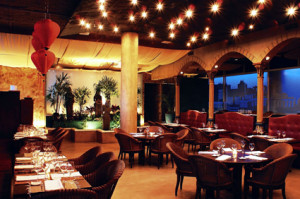
Удачно будет, если открыть ресторан в элитном спальном районе или рядом с каким-нибудь бизнес-центром. В этом случае посетители вашего заведения будут интуитивно причислять его к престижному рангу. Даже если аренда будет дороже, чем в других районах, то экономически оправдается. Для полноценной работы понадобится заключить договор аренды с собственником или зарегистрировать права собственности. Как правило, договор заключается на 10-12 месяцев и по истечении срока его продлевают.
Приобретение оборудования и подбор персонала
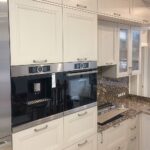
Вот здесь можно выбрать оборудование для ресторана, кафе, магазина или столовой. Чтобы правильно выбрать необходимое оборудование, лучше всего проконсультироваться у опытного технолога. К примеру, непрактично будет приобретать бытовую технику, так как она не рассчитана на длительную, интенсивную работу, будет часто ломаться, что потребует дополнительные расходы на ремонт, и, как следствие, может быстро выйти из строя.
В выборе посуды следует руководствоваться советами шеф-повара. Для ресторанов и кафе используют только специальную посуду, которая дольше сохраняет презентабельный вид, а также имеет больший срок службы.
В подборе кадров вам помогут кадровые агентства. Обращаться туда надо до непосредственного открытия вашего заведения. Для лучшего контроля за денежным оборотом, составления отчетности и планирования бизнеса рекомендуется купить программное обеспечение.
Затраты на открытие ресторана могут варьироваться в зависимости от расположения заведения, от численности города: 600-900$ на метр квадратный. При этом окупаемость может составить 1-3 года.
Похожие записи на сайте: